Lucknow: Uttar Pradesh took a significant step towards strengthening its clean-energy ecosystem with a high-level meeting between the state government and a delegation from Japan’s Yamanashi Prefecture on cooperation in green hydrogen technology, production, research and investment.
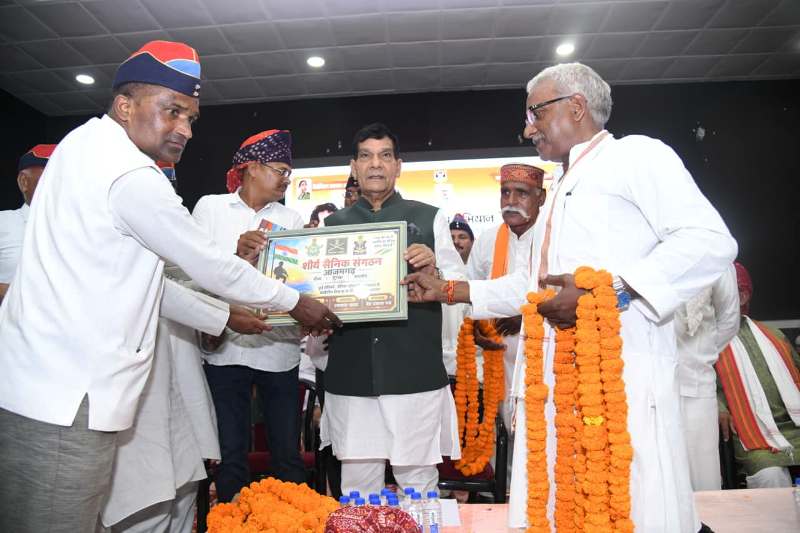
The meeting, held at Taj Hotel in Gomti Nagar, Lucknow, as part of the UP–Japan Investment Meet 2026, was attended by Uttar Pradesh Energy Minister A.K. Sharma, senior officials of the Energy Department, representatives of the renewable energy sector and Governor of Yamanashi Prefecture Kotaro Nagasaki along with members of his delegation. The discussions focused on developing a long-term partnership in green hydrogen, with both sides also entering into an important Memorandum of Understanding (MoU).

The proposed collaboration is aimed at positioning Uttar Pradesh as one of India’s leading green hydrogen hubs while leveraging Japan’s experience in clean-energy technologies. The state has set an ambitious target of producing 1 million metric tonnes per annum (1 MM TPA) of green hydrogen and is seeking greater participation from technology providers, investors and private-sector developers to achieve the target.
Green Hydrogen for Energy Security and Decarbonisation
Addressing the meeting, Energy Minister A.K. Sharma described green hydrogen as a key component of the future clean-energy economy. He said expanding its production and use in Uttar Pradesh could strengthen energy security while reducing dependence on conventional fossil fuels.
Green hydrogen has the potential to support decarbonisation across sectors that are difficult to electrify directly. These include industrial heat applications, heavy commercial transportation such as buses and trucks, fertiliser production and other energy-intensive industries.
The minister also highlighted the state’s growing industrial base and infrastructure as factors that could help create demand for hydrogen and support the development of a wider hydrogen ecosystem.
Yamanashi’s Power-to-Gas Technology
The Yamanashi delegation presented its advanced Power-to-Gas (P2G) technology during the meeting. The technology uses renewable electricity to produce green hydrogen through the electrolysis of water, offering a pathway to store and utilise renewable energy in the form of hydrogen.
A proposal was discussed to establish a high-capacity pilot project in Uttar Pradesh with the participation of Yamanashi Hydrogen Company (YHC) and Kanadevia Corporation. The proposed project is intended to demonstrate the practical application of the technology in the state’s energy and industrial ecosystem.
A feasibility study for the proposed project is targeted for completion by February 2027, with the two sides aiming to move towards commercialisation by March 2027.
Investment Incentives Under Green Hydrogen Policy
Uttar Pradesh is promoting investment in the sector through its Green Hydrogen Policy-2024, which provides a range of incentives and facilitation measures for eligible projects.
These include capital subsidies ranging from 10 to 30 per cent of project costs, up to 100 per cent exemption on stamp duty and provisions for making land available on lease through private developers, among other incentives.

The policy framework is intended to attract domestic and international investment while encouraging the development of green hydrogen production facilities, supporting infrastructure and related industrial applications.
IITs to Support Research and Innovation
Research and technology development are also being positioned as important pillars of Uttar Pradesh’s green hydrogen strategy. Centres of Excellence have been established at IIT Kanpur and IIT (BHU) Varanasi to support research, innovation and industrial applications in the sector.
These centres are expected to contribute to the development and testing of emerging technologies and help scale laboratory-level innovations for commercial and industrial applications. The initiative is also expected to strengthen collaboration between academia, industry and government in the rapidly evolving hydrogen economy.
Strong Infrastructure Creates Investment Opportunities
The state government highlighted Uttar Pradesh’s extensive connectivity and strategic location as major advantages for green hydrogen investment. The state has an expanding network of airports, dedicated freight corridors, inland waterways, expressways, railways and metro systems.
Such infrastructure can support the development of integrated supply chains covering hydrogen production, storage, transportation and industrial consumption. The state’s large industrial base and substantial consumer market also create opportunities for hydrogen applications across multiple sectors.
Heavy transport has been identified as another area with considerable potential. Hydrogen-powered buses and trucks could eventually form part of the state’s clean mobility ecosystem, particularly for applications where conventional battery-electric solutions may face operational or range constraints.
New Direction for India-Japan Clean Energy Partnership
Welcoming the Yamanashi delegation, Sharma said Uttar Pradesh was committed to creating a supportive environment for Japanese technology, expertise and investment in green hydrogen. He said the state government would provide policy and administrative support to facilitate projects and accelerate their implementation.
The minister also emphasised the state’s ambition to emerge as a secure, capable and investment-friendly destination for global investors, particularly in emerging sectors linked to clean energy and advanced technology.
The UP–Japan Investment Meet 2026 has therefore opened another avenue for cooperation between Uttar Pradesh and Japan, with green hydrogen emerging as a key area of partnership. The proposed pilot project, technology collaboration and investment opportunities could contribute to the development of a broader green hydrogen ecosystem in the state while supporting its transition towards cleaner industrial growth and a low-carbon energy future.